
Quick answer
The best scuba diving Montenegro experiences cluster around Budva and the Bay of Kotor, where visibility ranges from 15 to 30 meters depending on season and weather. Spring and early autumn deliver the clearest water, while summer brings warmer temperatures but afternoon winds. Dive centers charge per activity rather than entry fees, with morning departures offering the most reliable sea state.
Montenegro's underwater territory remains less trafficked than Croatia's dive circuits, yet the country's 293-kilometer coastline conceals limestone walls, sunken vessels, and Posidonia meadows that host grouper, octopus, and migratory amberjack. The Adriatic here drops quickly—rocky shelves give way to depths exceeding 40 meters within a few hundred meters of shore, making boat access standard for anything beyond shallow reef dives. The best scuba diving Montenegro operators concentrate in Budva, where Slovenska Obala serves as the departure point for trips to nearby sites like the Sveti Nikola reef and the remains of an Austrian warship resting at 28 meters. Visibility fluctuates with the season: April through June and September through October yield the clearest conditions before summer plankton blooms and autumn storm churn reduce clarity. Water temperature peaks at 25°C in August but drops to 13°C by February, requiring at least a 5mm wetsuit outside high summer. Morning departures between 8:00 and 11:00 capitalize on calm surface conditions before the afternoon maestral wind builds from the northwest. Most dive centers offer guided two-tank trips, with the first dive targeting deeper wrecks or walls and the second exploring shallower caves or reefs. Certification requirements vary by site—advanced open water suffices for most locations, though deep wreck penetration demands technical training. The Bay of Kotor's sheltered waters provide an alternative when coastal conditions deteriorate, though visibility there rarely exceeds 15 meters due to river discharge and limited tidal exchange. Dive services operate year-round, but the shoulder seasons of May and October balance visibility, water temperature, and sea state most favorably. Winter diving remains possible for those prepared for cooler water and reduced marine activity, while peak summer crowds and afternoon wind complicate logistics despite warmer conditions.
“Montenegro's Adriatic drops quickly—rocky shelves give way to depths exceeding 40 meters within a few hundred meters of shore.”
Best Time for Scuba Diving Montenegro: Daily and Seasonal Windows
The optimal time for scuba diving in Montenegro is during the summer season, specifically within the morning hours, to capitalize on stable sea conditions and visibility. Planning your dives between 08:00–11:00 provides the calmest water before afternoon wind patterns develop.
June to September
Peak visitor density22°C to 26°C water temperatures
Warmest water temperatures of the year allow for comfortable extended dives. These months offer the most reliable weather conditions for coastal exploration.
Weekday mornings
Low density—
The best arrival window is 08:00–11:00 as morning hours offer the calmest sea conditions and best visibility before afternoon winds.
May and October
Moderate density18°C to 21°C water temperatures
These shoulder months provide quieter dive sites and clearer water for those comfortable with slightly cooler temperatures. Visibility is often high during these transitions between seasons.
Verdict: For the most favorable conditions, aim for a weekday arrival between 08:00–11:00 during the months of June or September.
Entry and Service Fees for Best Scuba Diving Montenegro
There is no cost to enter the facility. Payment is required only when booking specific diving services or organized tours.
Highlights of the Best Scuba Diving Montenegro Experience
The Adriatic Sea along the Montenegrin coast features a diverse range of underwater topography, including historical shipwrecks and complex cave systems. Divers can explore environments that host Mediterranean marine species in clear coastal waters.
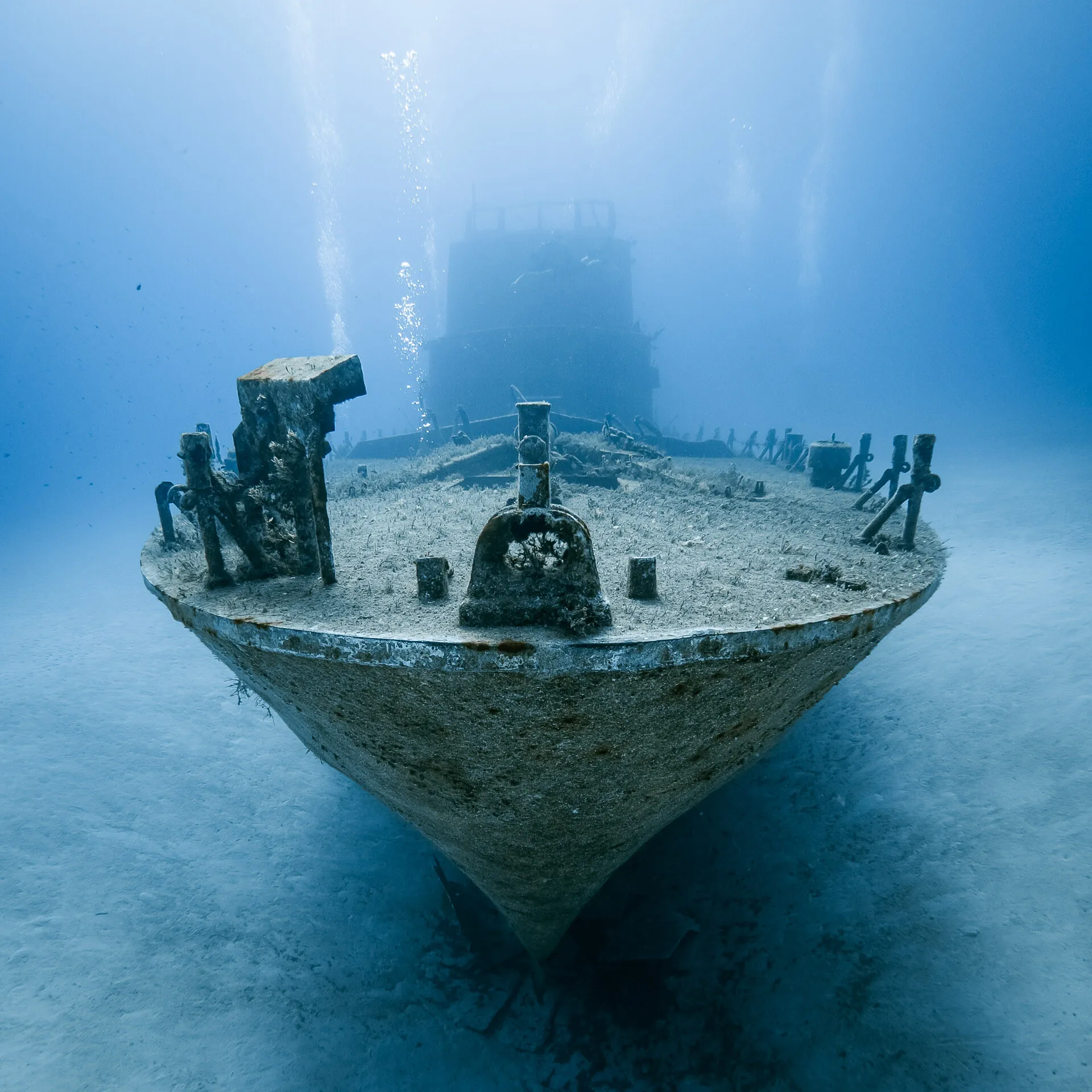
Patrol Boat P-31
This former Yugoslav navy vessel rests at a depth of approximately 20 meters and is accessible for penetration dives. Its structure offers a look into maritime history with clear visibility.
Focus on the propeller and stern area for local marine life.
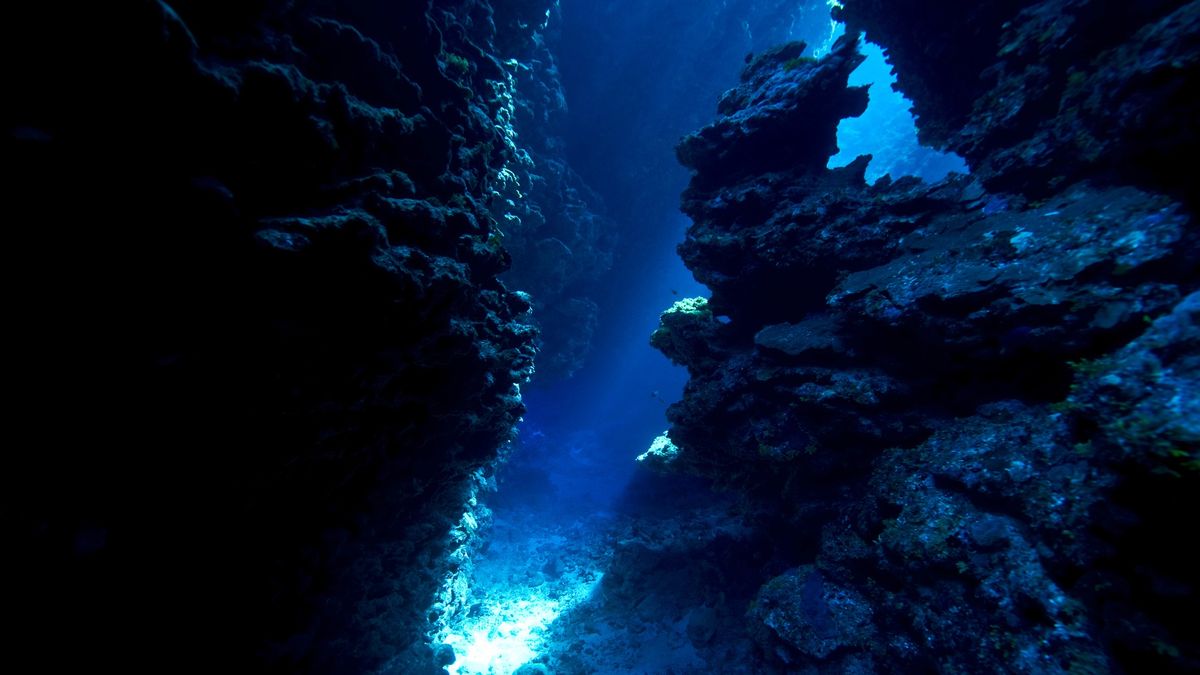
Galiola Reef
A submerged reef located off the coast of Budva characterized by two rocky peaks reaching near the surface. The site is known for its steep walls covered in yellow gorgonian corals.
Observe the wall drop-offs during early morning light.
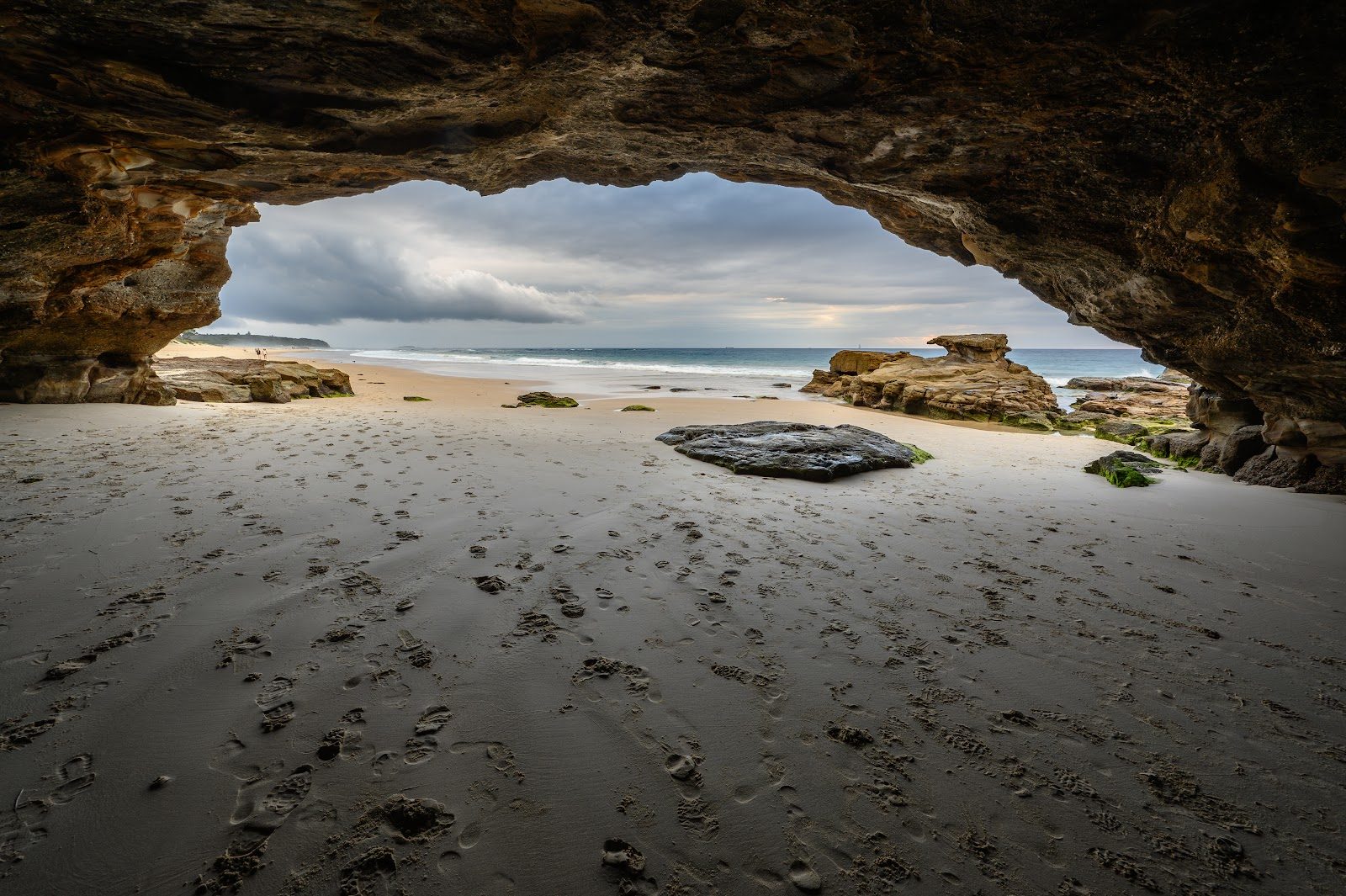
Queen's Beach Cave
A sea cave system near Miločer with light filtering through surface fissures. The interior creates high-contrast visual conditions suitable for observing stationary rockfish.
Bring a dive torch to highlight hidden crevices and inhabitants.
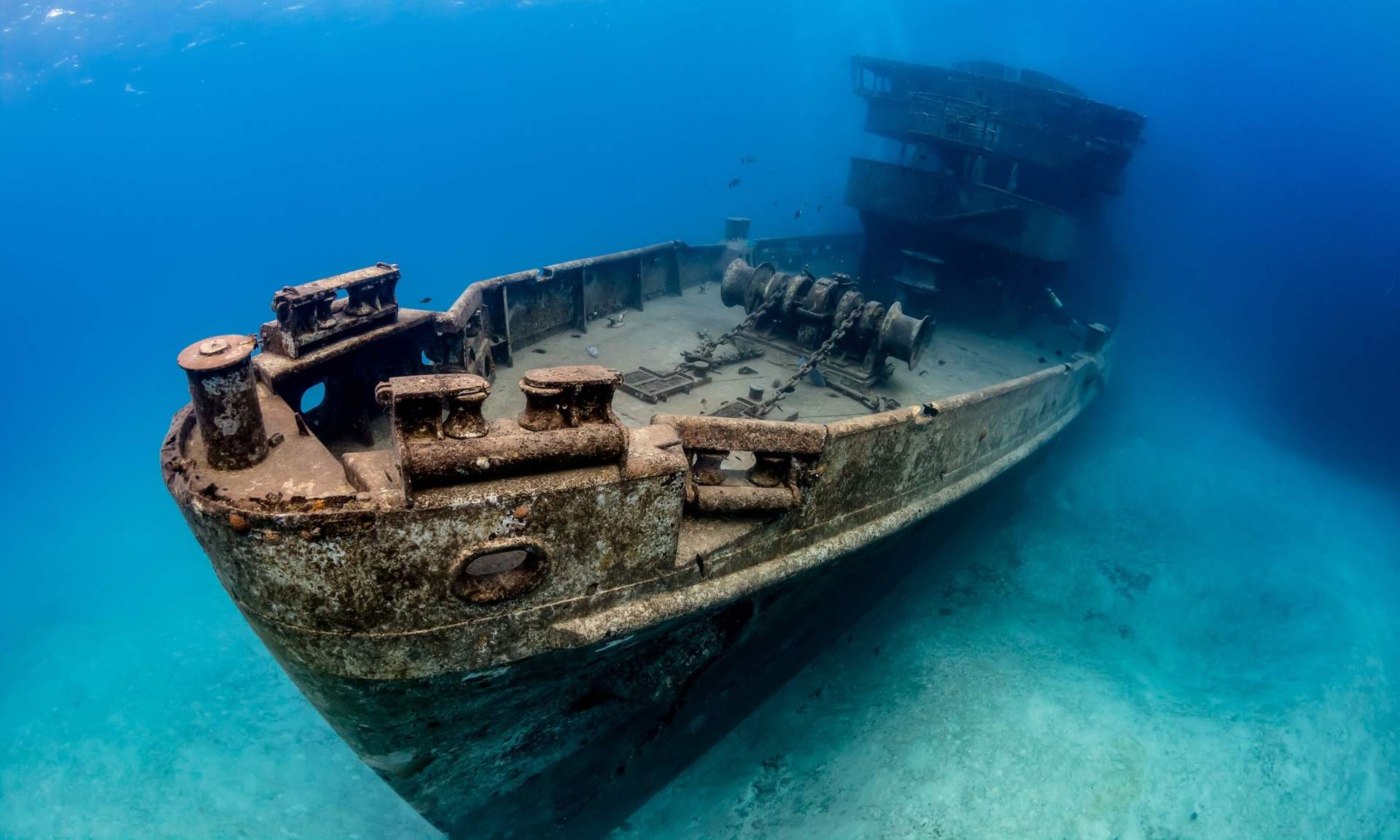
Toretta Wreck
A merchant ship resting on a sandy seabed providing a habitat for schools of damselfish and sea bream. The wreckage remains largely intact, allowing for observation of the hull structure.
Stay near the cargo hold to spot resident marine organisms.
Pre-Visit Checklist for Best Scuba Diving Montenegro
Arrive prepared with certification documents and personal dive preferences to streamline your session with the Budva operator.
-
Bring valid dive certification card — The dive center verifies credentials before allowing participation in guided dives.
-
Pack your personal logbook — Logging dives in Montenegro helps track experience and plan future advanced excursions.
-
Confirm your dive specialty or training level — The operator tailors sites and depths to match your certification and comfort zone.
-
Notify the center of medical conditions — Diving with certain health issues requires clearance or modified protocols for safety.
-
Specify gear preferences when booking — While equipment is provided, requesting specific sizes or BCD styles ensures better fit.
-
Wear or pack a swimsuit and towel — You'll need these immediately after surfacing from coastal or boat-based dives.
-
Charge your underwater camera or GoPro — Montenegrin wrecks and caves offer unique photo opportunities best captured with your own device.
Check availability
Frequently asked questions about best scuba diving montenegro
Everything you need to know about best scuba diving montenegro