3 hr
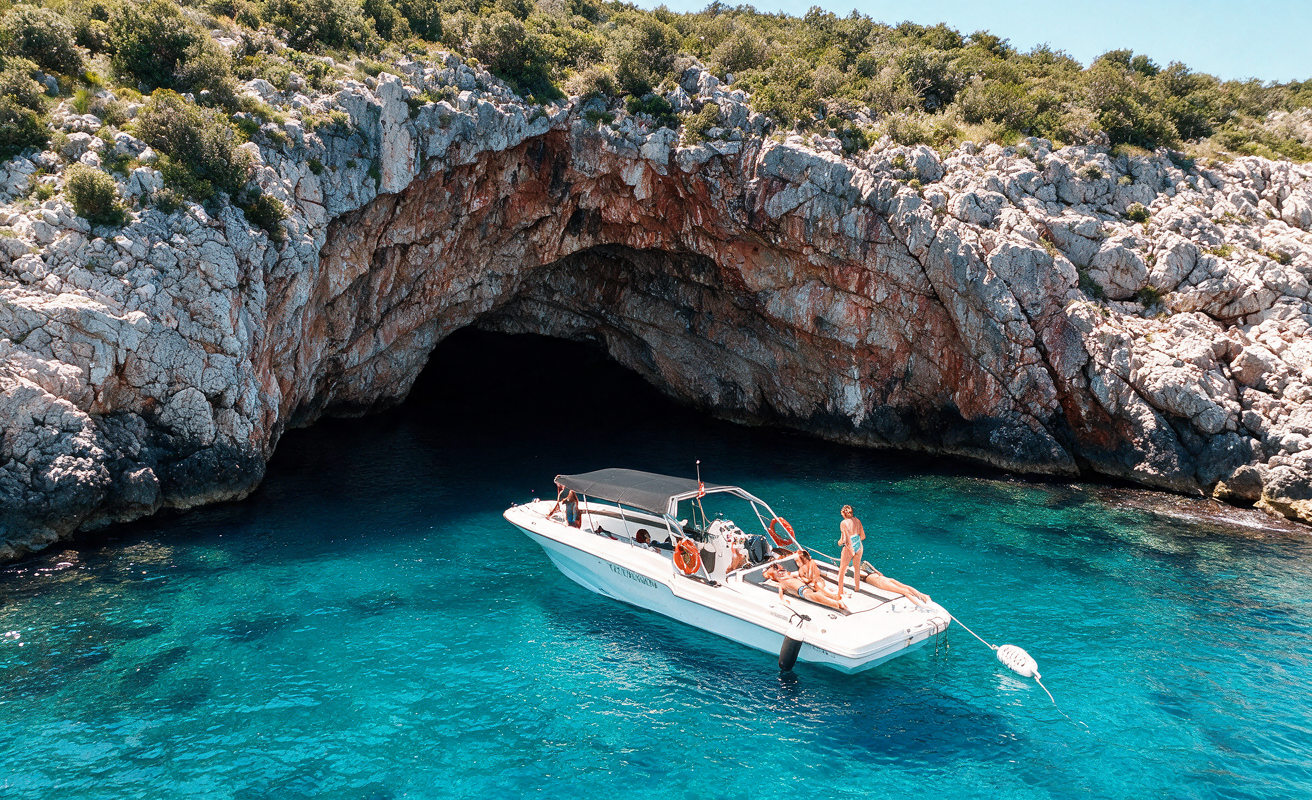
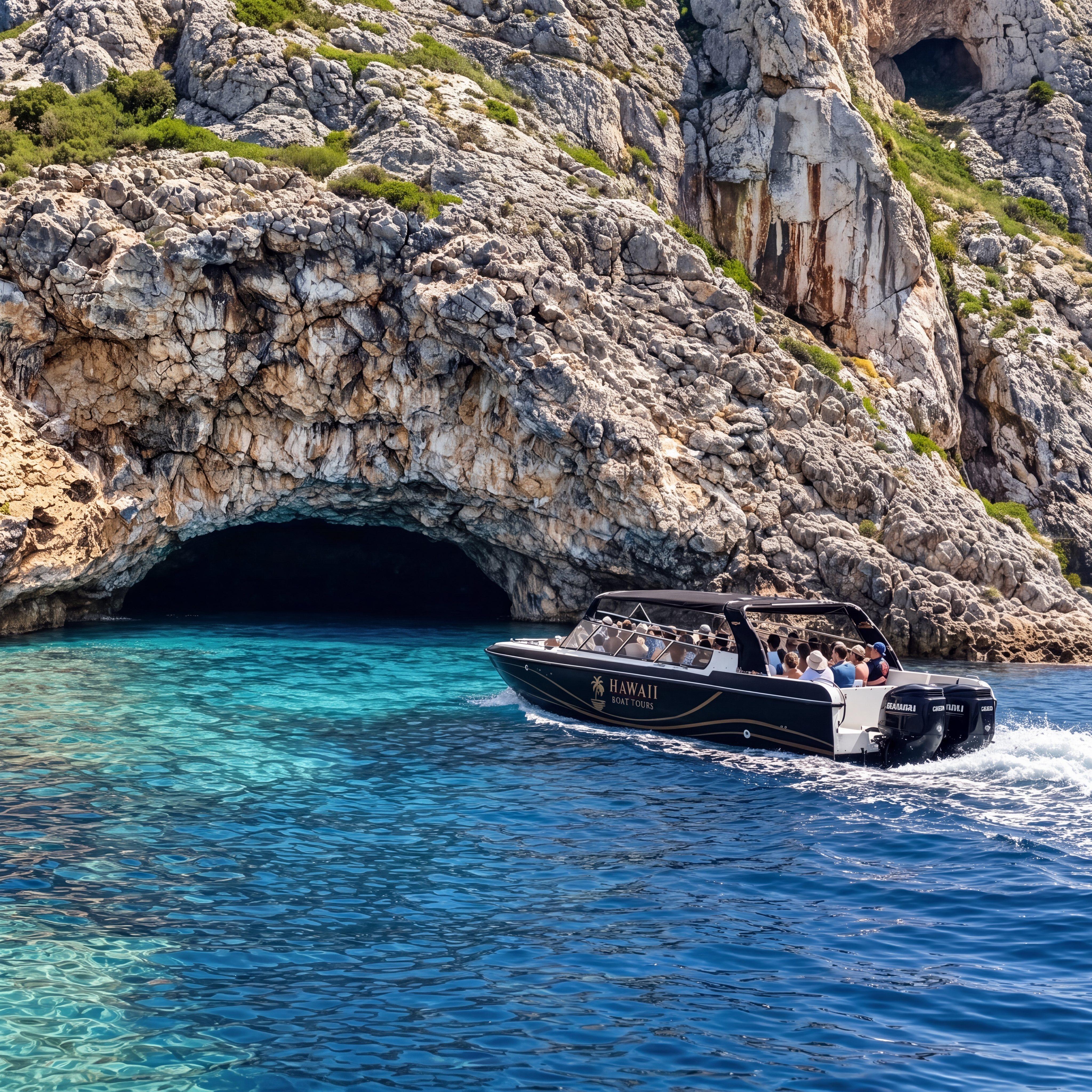
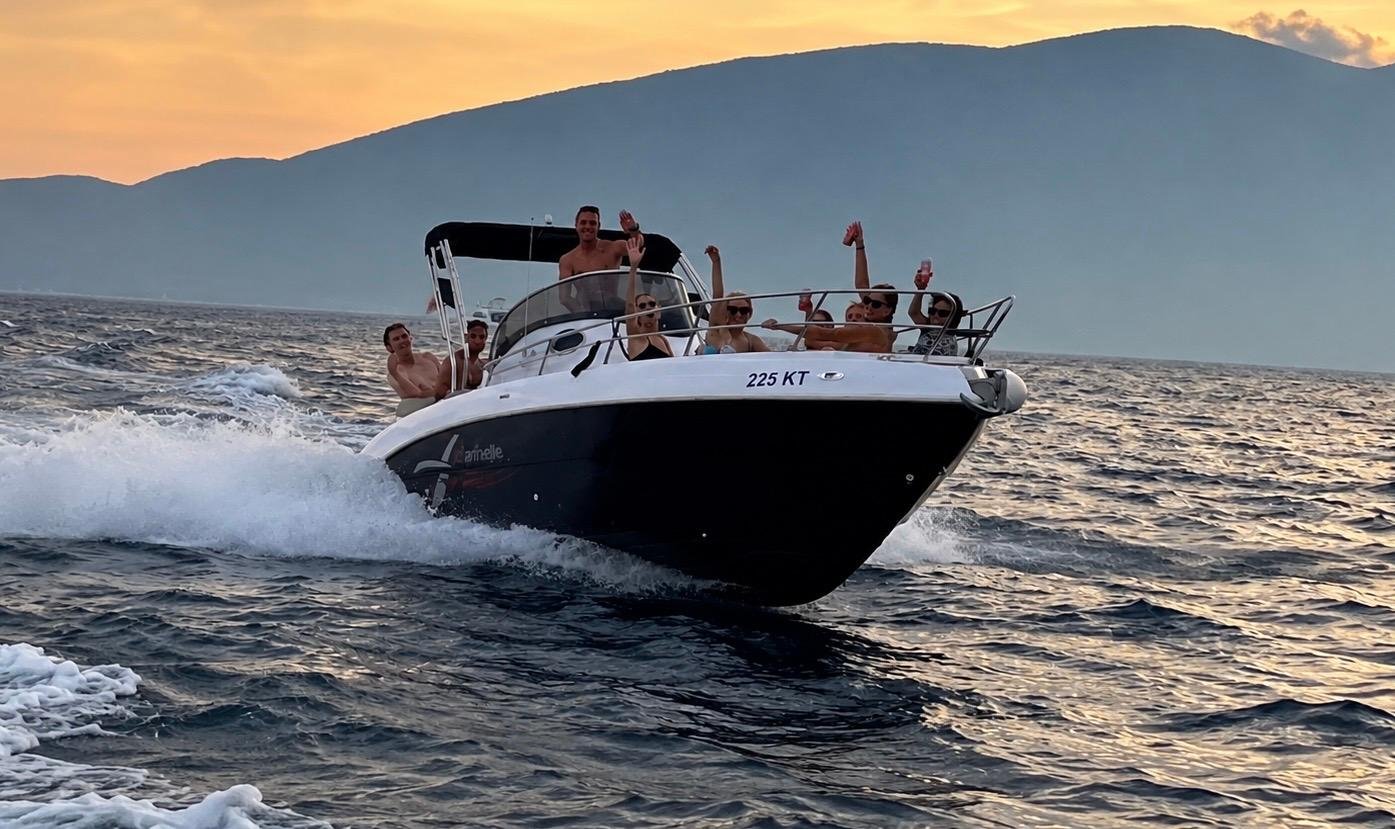
Blue Cave & Secret Submarine Tunnel Speedboat Adventure
- Entry ticket
- Mobile voucher
- Valid same day
- Free cancellation
Scuba Diving Kotor Montenegro — Bay Wrecks & Cave Tours
Where Adriatic depths meet medieval walls, explore submarine tunnels carved by history
Compare fares, pick the fit — all bookings are mobile-voucher and eligible for free cancellation where shown.
3 hr
3 hr
7 hr
Exploring the underwater heritage of the Bay of Kotor is a highlight for many visitors, with specialized scuba diving kotor montenegro packages available for all skill levels. These guided excursions offer access to protected wrecks and cavern sites, ensuring a safe experience in these historic coastal waters.
| Discovery Dive Beginner-Friendly |
Top pick Certified Single Dive Licensed Divers |
Multi-Day Package Advanced Experience | |
|---|---|---|---|
| Diving Depth | Up to 6 meters | Up to 40 meters | Varies by site |
| Licensing Required | None | PADI/SSI Open Water | PADI/SSI Open Water |
| Equipment Included | Yes | Yes | Yes |
| Inclusions | Intro lecture & gear | Boat transfer & gear | 6 guided boat dives |
| Duration | 30 minutes underwater | Half-day trip | 2 days |
| See tickets & prices |
Verdict: First-time visitors should choose the Discovery Dive tour for a guided introduction to the Adriatic seabed.
Worth it for adventure seekers and underwater enthusiasts
Scuba diving Kotor Montenegro centers around speedboat tours through the Bay of Kotor that combine snorkeling at the Blue Cave with exploration of WWII submarine tunnels and historic islands. These packages run €50–90 per person for 2.5–4 hour excursions, offering a compressed Adriatic experience rather than traditional open-water certification dives. The bay's protected waters provide calm conditions and visibility between 10–25 meters depending on season, though the limestone seabed and limited marine biodiversity mean fewer fish encounters than Croatia's outer islands. Morning departures between 08:00–12:00 capture the best underwater clarity before afternoon winds stir sediment. If you prioritize historical exploration over coral reefs and want a multi-activity format that fits a single morning, the speedboat packages deliver solid value. Dedicated scuba diving Kotor Montenegro tours with tank dives require advance booking through local dive centers and cost considerably more than the snorkel-focused speedboat options listed here.
Bottom line: Book a morning Blue Cave speedboat tour if you want submarine tunnels and protected bay exploration, but seek Croatian islands for richer marine biodiversity.
They complement each other; most visitors who do both call scuba diving kotor montenegro the more immersive underwater experience, while a boat tour is the superior way to appreciate the fjord-like scale of the region. Exploring the coast via scuba diving kotor montenegro tours offers a closer look at the bay's marine life, whereas a scenic boat excursion focuses on famous landmarks and broader landscapes.
|
Top pick Scuba Diving |
Boat Tours | |
|---|---|---|
| Primary focus | Underwater exploration | Sightseeing and cruising |
| Activity intensity | Moderate (physical) | Low (relaxed) |
| Best arrival window | 08:00–12:00 | 09:00–10:00 |
| Typical duration | 2–4 hours | 3–6 hours |
| Entry fee | 0 EUR (operators charge) | 25–35 EUR (group) |
| Suitability | Divers & adventurers | Families & groups |
| Booking | Required in advance | 1–7 days recommended |
| See tickets & prices |
Verdict: If you want to discover submerged shipwrecks or wall formations, choose a scuba diving kotor montenegro tour, but for a classic overview of the bay's islands and caves, secure tickets for a standard cruise.
Hand-picked experiences loved by thousands of travelers
3 hours
Free Cancellation
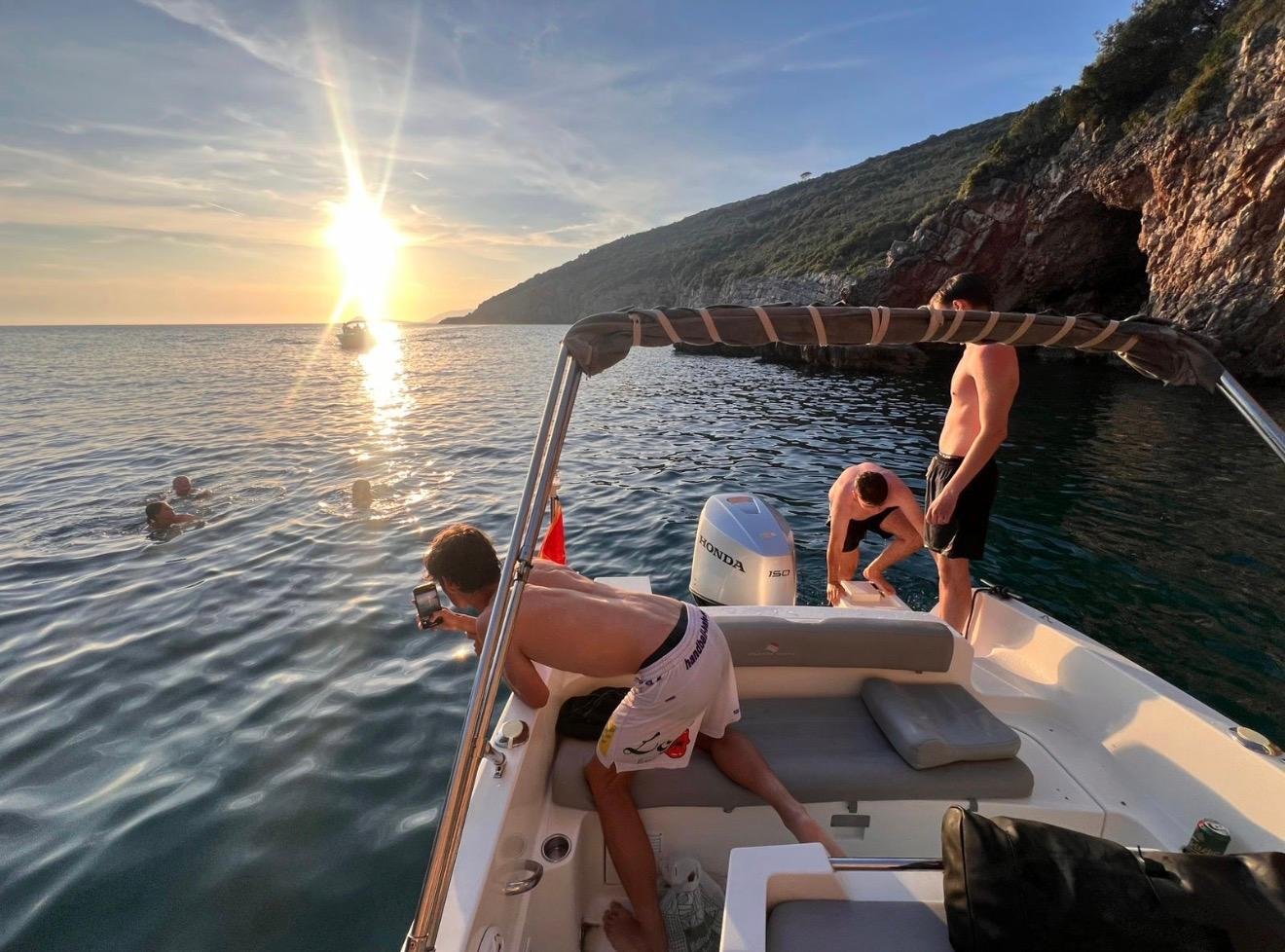
High-speed journey to submarine tunnels, WWII fortress, Blue Lagoon swimming, and Perast's old town
3 hours
Free Cancellation
Cruise the Adriatic coast by speedboat, swim in the glowing Blue Cave, and explore historic Perast
4 hours
Free Cancellation
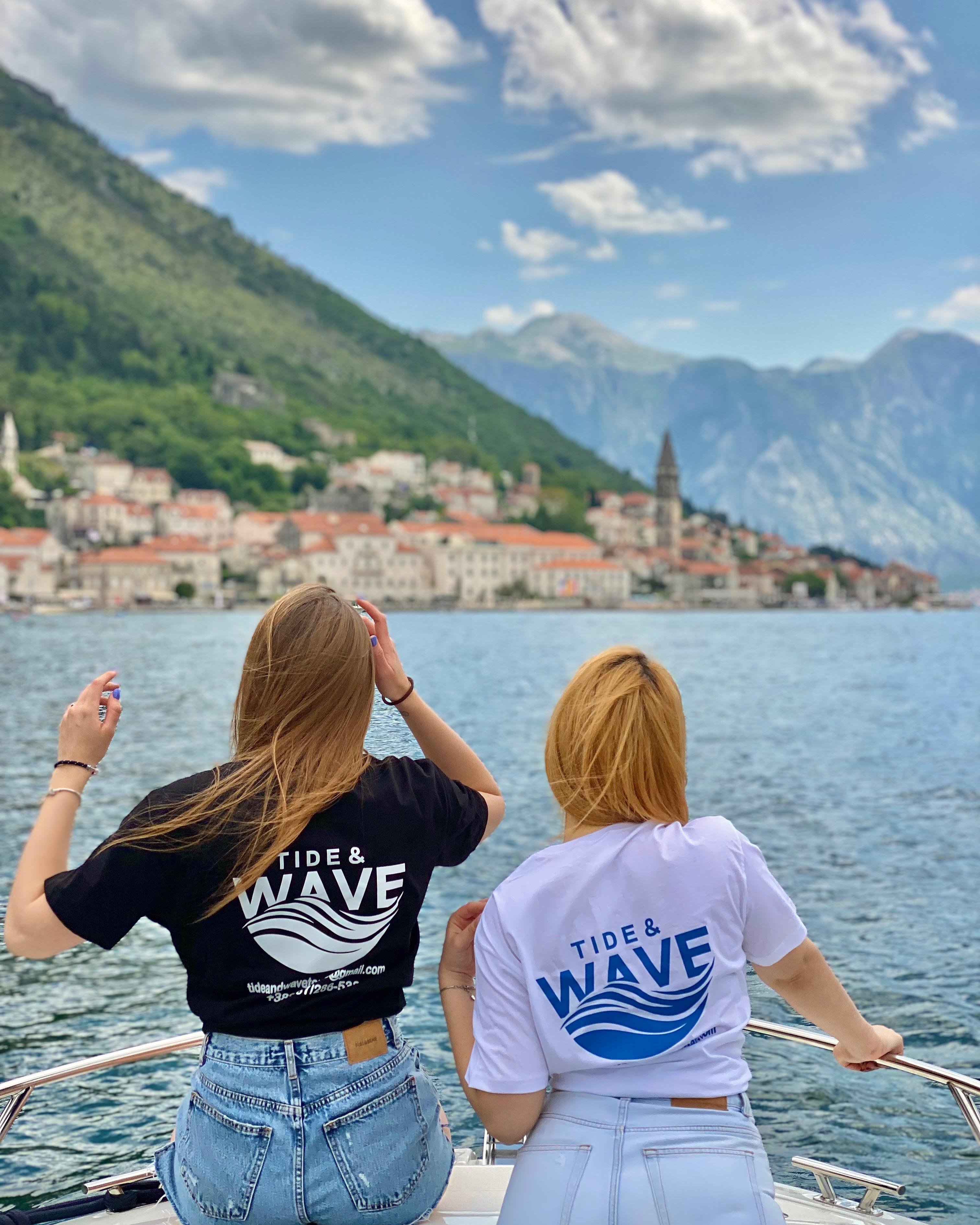
Explore historic Perast, secret submarine tunnels, and swim in the mesmerizing Blue Cave on this 4-hour Adriatic adventure.
3 hours
Free Cancellation
Small-group speedboat journey through Montenegro's iconic coastline with swimming, historic sites, and local guides
4 hours
Free Cancellation
Discover Kotor Bay's hidden caves, fortress islands, and baroque treasures on a thrilling 4-hour speedboat journey
1 hour 30 minutes
Free Cancellation
Discover hidden caves, historic fortresses, and stunning coastal panoramas on this intimate bay cruise
3 hours
Free Cancellation
Cruise pristine Adriatic waters to hidden caves, submarine tunnels, and historic coastal gems
3 hours
Free Cancellation
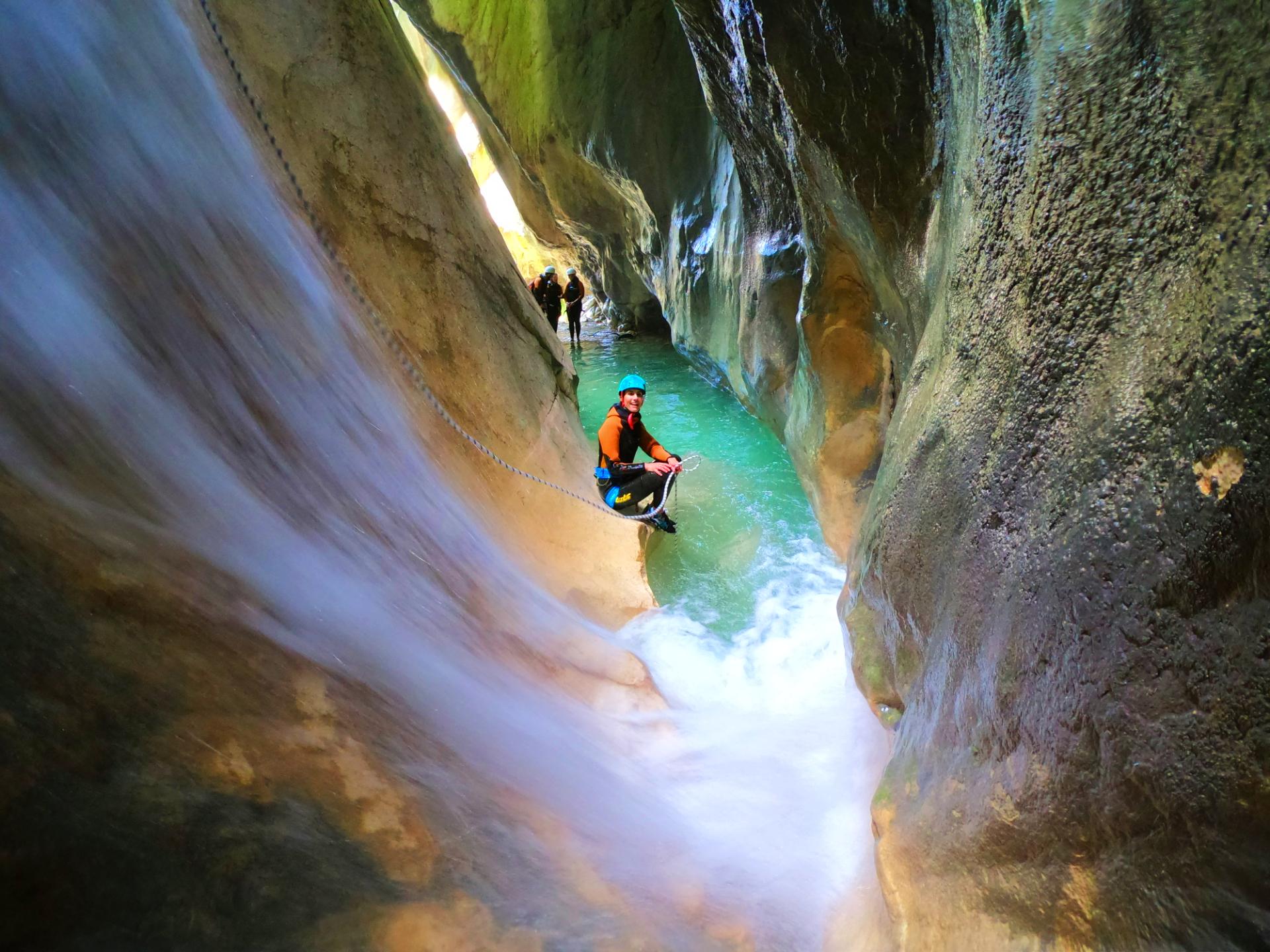
Navigate waterfalls, natural pools and rocky gorges on this thrilling canyoning expedition in Montenegro
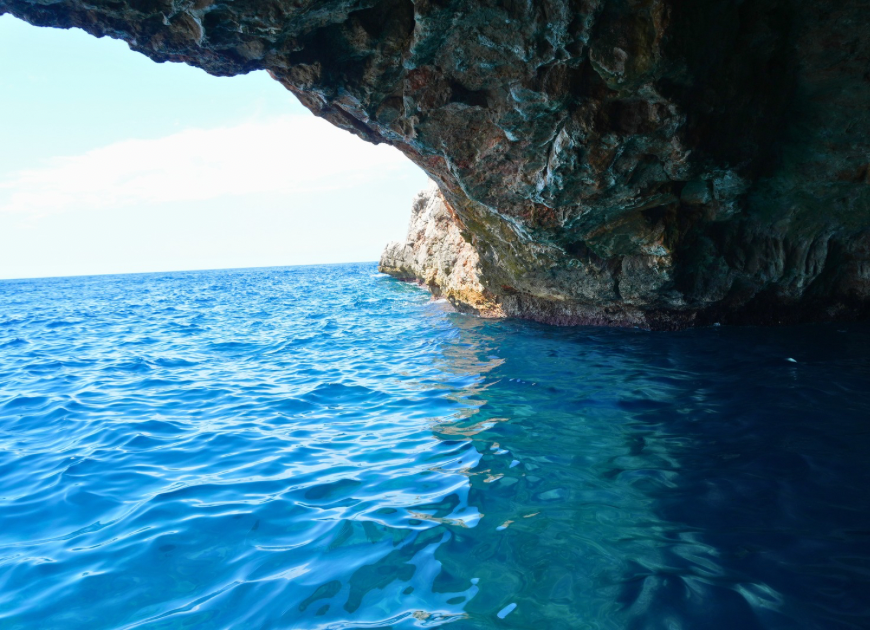
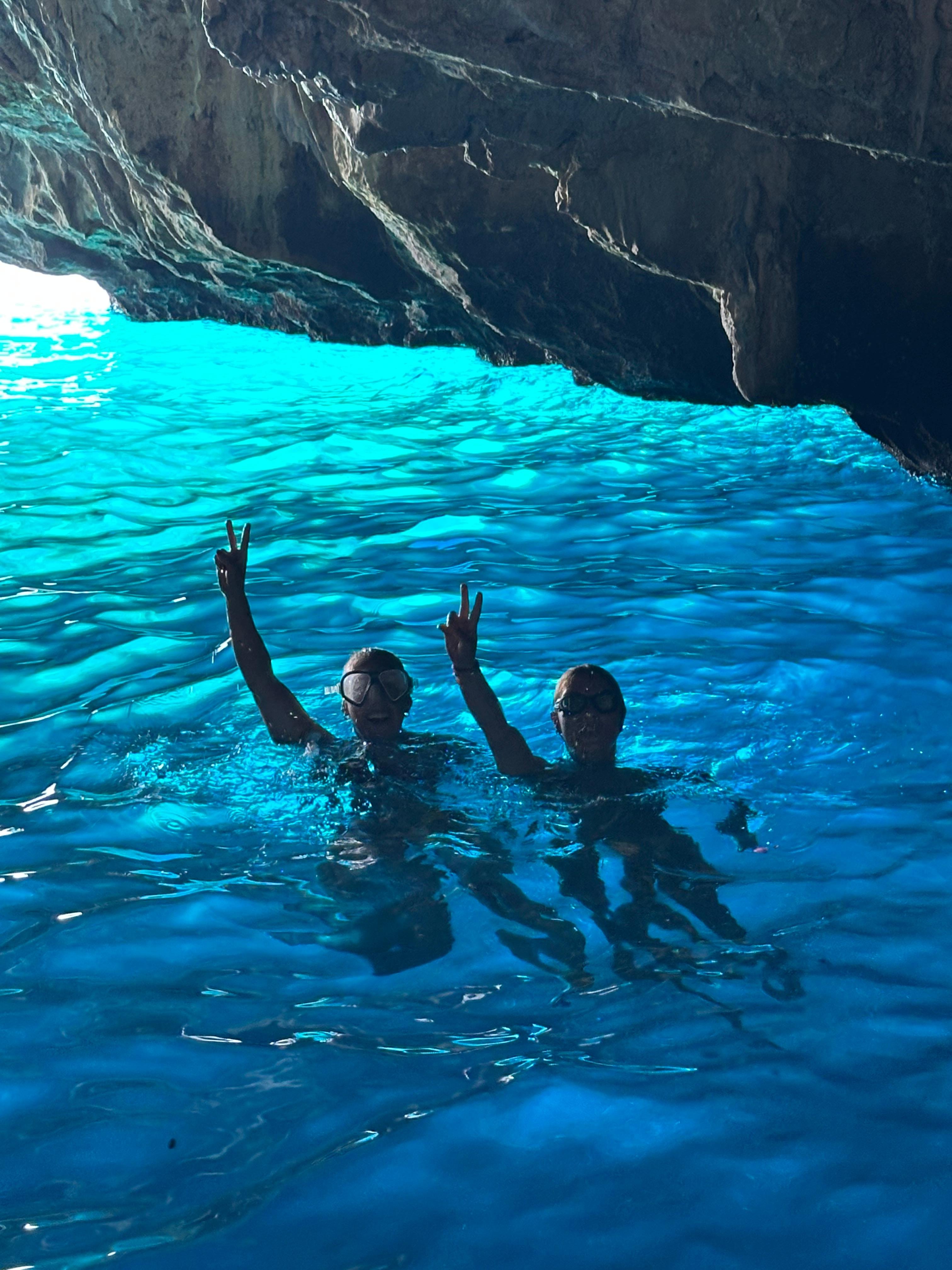
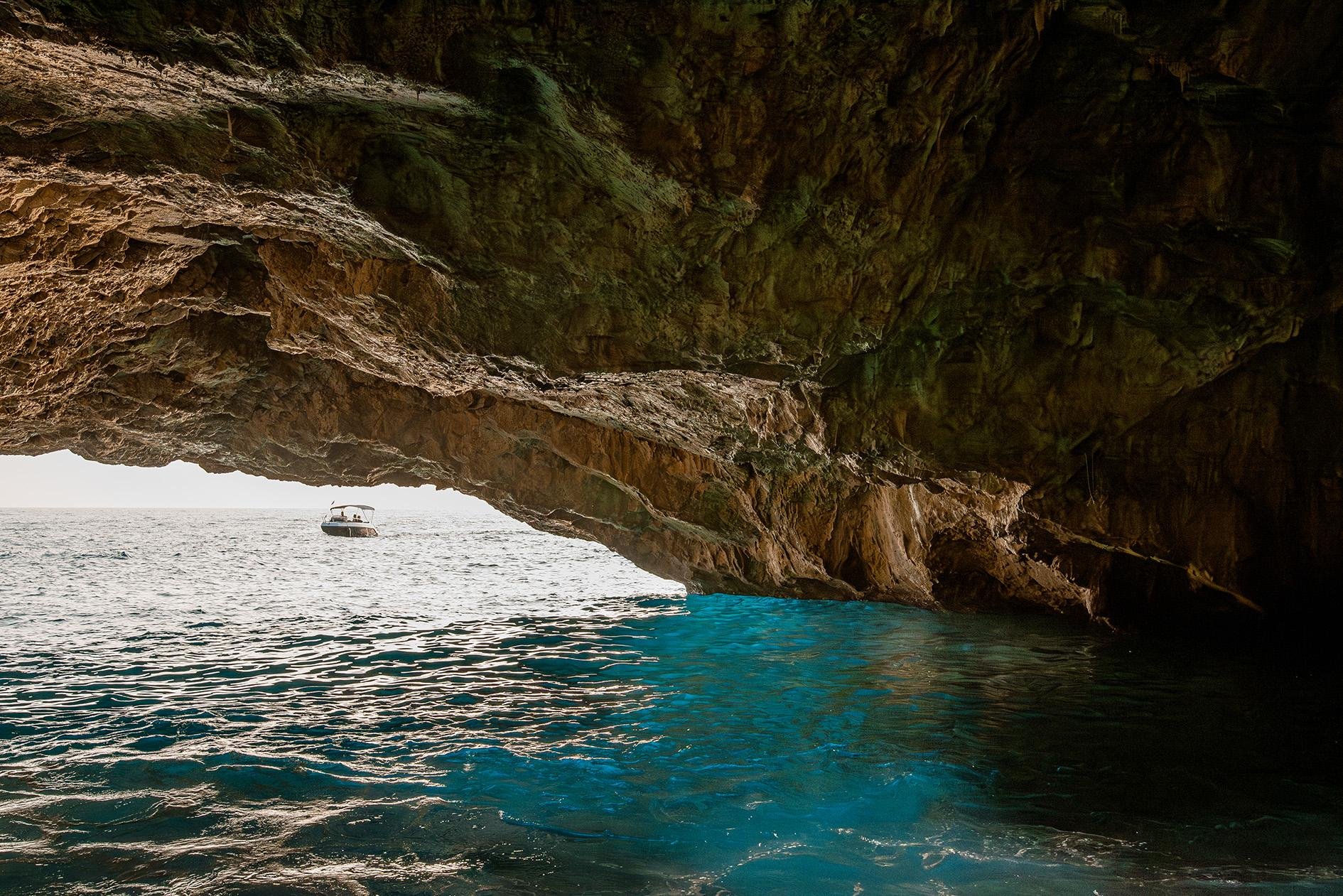
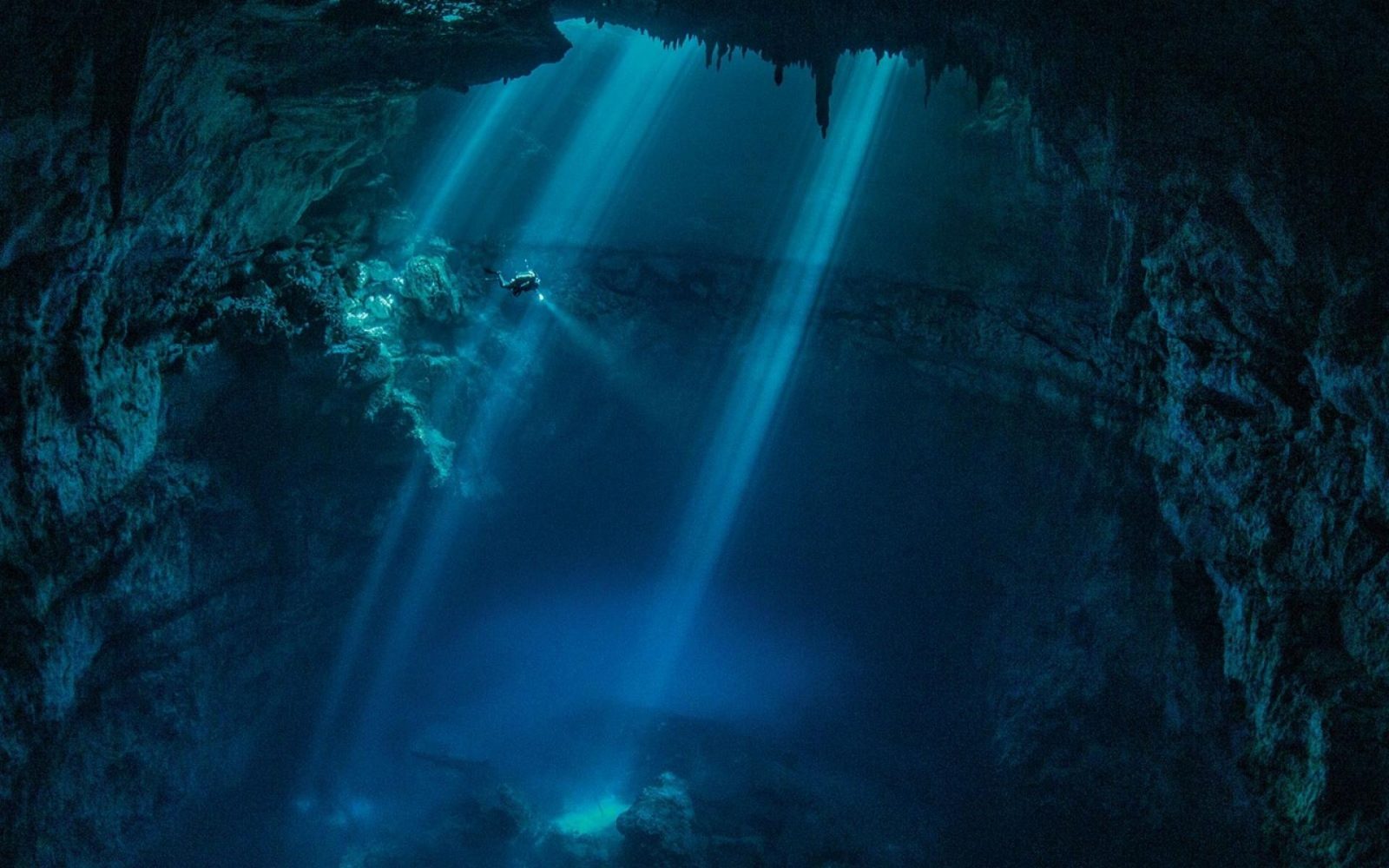
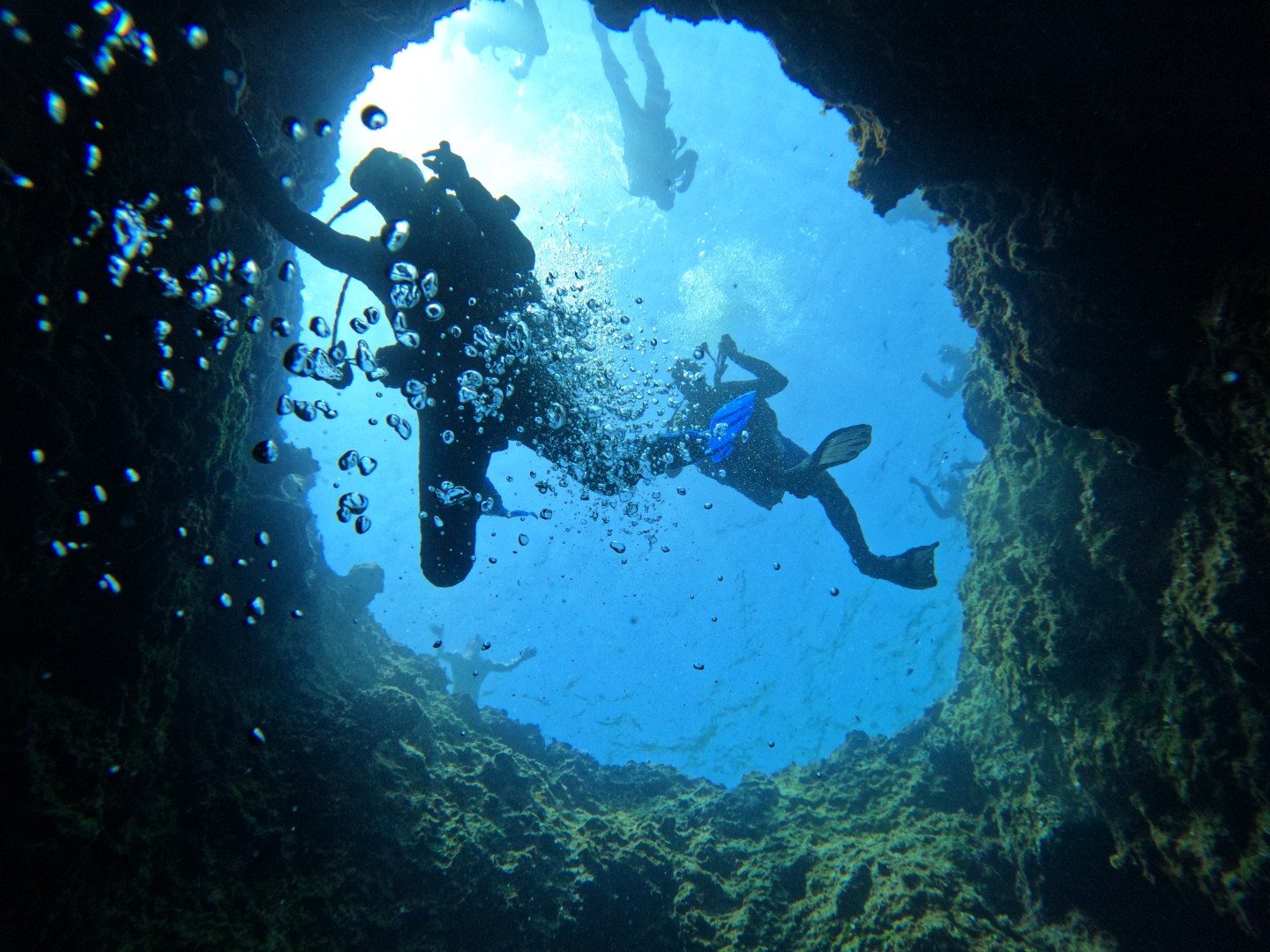
A natural sea cave featuring glowing turquoise waters perfect for diving excursions. The depth reaches 4-5 meters in many sections.
Remnants of small vessels provide unique habitats for marine life in the bay. These sites are ideal for intermediate level divers.
Vertical rock formations covered in colorful sponges and gorgonians. Divers often spot schools of fish near these limestone cliffs.
Submerged historical artifacts can be found in shallow areas near ancient settlements. Divers must follow strictly non-invasive exploration rules.
Subterranean passages beneath the limestone karst of the bay. Entry is restricted to certified cave divers due to complexity.
All the details about your upcoming adventure in one place
The Bay of Kotor descends to 60 metres in some channels, a drowned river valley that became a natural harbour for Venetian galleys, Austro-Hungarian warships, and Yugoslav submarine pens.
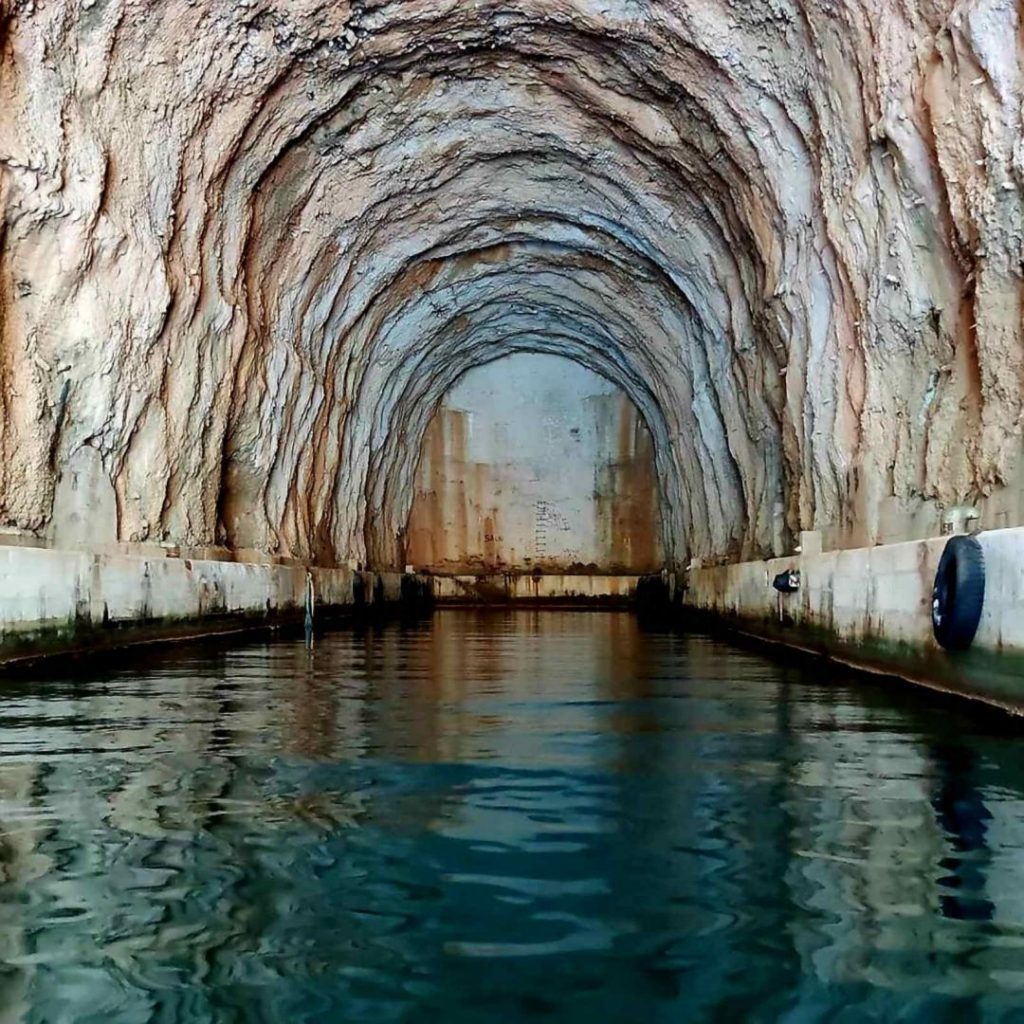
Beneath the surface lie concrete relics of the Cold War: artificial tunnels blasted into limestone cliffs during the 1960s to shelter naval vessels from aerial surveillance. Today these flooded passages form the backbone of scuba diving Kotor Montenegro, drawing recreational divers into chambers where steel mooring rings still protrude from algae-covered walls.
The bay's geology creates unusual conditions. Freshwater springs mix with Adriatic saltwater at depths between 10 and 30 metres, forming haloclines that blur visibility for seconds before clearing into crystalline layers. The thermocline sits shallow in summer, dropping water temperature by eight degrees within two metres of descent. Cave systems riddle the limestone coastline—some natural, others expanded by wartime engineers. The Blue Cave near Luštica peninsula remains the most photographed dive site, its entrance wide enough for speedboats, its interior lit by refracted sunlight that turns the water electric cyan between 10:00 and 14:00 when the sun angle is direct.
Marine life reflects the bay's brackish stratification. Octopuses occupy the shallow rocky shelves. Groupers patrol the deeper channels. Occasional Mediterranean moray eels coil in crevices along the outer bay walls where salinity stabilizes. Kotor's dive operators run daily boat trips to sites scattered across 28 kilometres of coastline, from Mamula Island's abandoned Austro-Hungarian fortress to the wreck of a concrete barge near Perast. Most centres operate from the waterfront promenade, a five-minute walk from Kotor's Old Town gates, with equipment storage in former Venetian salt warehouses.
Visibility averages 15 to 25 metres from May through October, degrading in winter when river discharge increases. The bay's sheltered position means diving windows extend year-round, though water temperature drops to 13°C in February. No strong currents complicate descents. The maximum recreational depth limit of 40 metres encompasses all certified sites. Kotor diving infrastructure serves both novice certifications and technical wreck penetrations, anchored by three PADI-certified centres that have operated since Montenegro's independence in 2006.

Beneath the surface lie concrete relics of the Cold War: artificial tunnels blasted into limestone cliffs during the 1960s to shelter naval vessels from aerial surveillance.
Full refunds are typically provided for cancellations made at least 24 hours prior to the scheduled scuba diving kotor montenegro tour. Late cancellations or no-shows may forfeit the total amount paid.
Weather · crowds · average price — dots go green to amber to red as each metric rises.
Mild water temperatures begin warming up in May. Early season offers clear visibility for scuba diving kotor montenegro activities.
Peak tourist season with warm surface temperatures. July and August have the highest foot traffic in the region.
September and October feature pleasant conditions with fewer crowds. This is an ideal time for scuba diving kotor montenegro excursions.
Water temperatures drop, limiting diving to drysuit specialists. Most operators scale back or close operations.
Always keep your digital or physical certification card ready for inspection. Local operators require proof of training for tank rentals during scuba diving kotor montenegro tours.
Monitor weather reports specifically for wind speed in the bay. Rough conditions can sometimes cause cancellations of scuba diving kotor montenegro tickets.
The Bay of Kotor has served as a strategic naval anchorage since Roman times, when galleys sheltered in its deep fjord-like inlets. By the medieval period, Venetian and later Austro-Hungarian fleets recognized the bay's natural protection and established shipyards along its shores. The most dramatic chapter in Kotor's underwater heritage began during the Cold War, when the Yugoslav People's Army excavated a vast submarine base into the limestone cliffs at Ljuta, just north of the bay. Construction crews blasted tunnels wide enough to conceal entire submarine flotillas between 1968 and 1976, creating what became one of the Adriatic's most secretive military installations. These tunnels remained off-limits until Yugoslavia's dissolution in the early 1990s. Scuba diving kotor montenegro emerged as a civilian activity only after 2000, when the first licensed dive centers opened in the municipality and began mapping accessible wrecks and reef systems. The bay's stratified salinity—fresh river water floating atop dense seawater—creates unique thermocline layers that challenge and reward technical divers. By 2010, local operators had negotiated limited access to portions of the decommissioned submarine tunnels, transforming Cold War relics into dive sites. Venetian-era amphorae, Ottoman-period anchors, and World War II debris lie scattered across the bay floor, each artifact a fragment of Kotor's layered maritime past. Today, scuba diving kotor montenegro tours guide divers through both natural caves carved by millennia of Adriatic currents and man-made tunnels that once hid Soviet-era submarines. The bay's calm conditions and historical depth attract wreck divers and archaeological enthusiasts year-round. Montenegro's Ministry of Culture designated several submerged sites as protected underwater heritage zones in 2018, balancing recreational access with preservation. The tunnels at Ljuta remain partially restricted, but scheduled dives allow certified divers to explore sections where rusting bollards and submarine rails still mark the Cold War seabed.
Roman galleys used the Bay of Kotor as a protected anchorage along Adriatic trade routes.
Venetian Republic maintained shipyards and fortified harbors throughout the bay.
Yugoslav People's Army excavated submarine tunnels into cliffs near Ljuta for Cold War naval operations.
Submarine base decommissioned following the dissolution of Yugoslavia.
First civilian dive centers opened in Kotor Municipality, mapping accessible wrecks and reefs.
Limited recreational access granted to portions of the former submarine tunnels.
Montenegro designated several submerged sites as protected underwater heritage zones.
Scuba diving kotor montenegro tickets became widely available through licensed operators offering wreck and tunnel dives.
Position your camera at the cavern entrance to capture the brilliant azure refraction against the limestone walls, ideal for wide-angle shots. Use a red filter or artificial lighting to restore natural colors in this scuba diving kotor montenegro location.
These historic concrete shelters offer dramatic light beams filtering through structural gaps, creating a moody atmosphere for macro photography. Stand near the rusted iron gates to frame the contrast between industrial relics and marine growth for scuba diving kotor montenegro tours.
Capture the surrounding rock formations and dense seagrass meadows that provide a unique backdrop for portraits of divers. This site is frequently featured on a scuba diving kotor montenegro tour, offering shallow depth for clear, sun-drenched compositions.
Focus on the steep drop-offs and vertical cliffs that characterize the underwater topography of this Adriatic landmark. Wide-angle lenses are recommended to convey the scale of the subaquatic canyons, which are accessible with scuba diving kotor montenegro tickets.
Planning for scuba diving kotor montenegro with your family requires careful coordination with local operators to ensure safety and comfort for younger participants. These underwater excursions offer families a chance to explore the Adriatic Sea, though children must meet specific physical requirements set by their instructors.
The rugged terrain of the Old Town and narrow waterfront paths are not suitable for strollers, so plan to use a baby carrier instead. Accessibility becomes easier once you reach the dedicated boarding areas for your scuba diving kotor montenegro tours.
While introductory programs often welcome children from age 10, verify age restrictions directly with your chosen dive center as these policies vary by operator. Younger family members can enjoy snorkeling while older siblings participate in a scuba diving kotor montenegro tour.
There are no public baby-change facilities directly at the dive sites, so ensure you are prepared with your own supplies before heading to the coast. Private operators may provide basic gear storage for your scuba diving kotor montenegro tickets, but space is often limited on smaller vessels.
Arrival between 08:00–12:00 is essential for families, as the calm morning waters provide a safer environment for kids learning to use marine equipment. Always allow extra time to familiarize children with the maritime climate of the Bay of Kotor before their scheduled session.
Confirm that the dive center provides high-quality masks, fins, and wetsuits specifically sized for younger participants to ensure comfort during their underwater introduction. Supervision remains the responsibility of the accompanying adult at all times when off the boat.
Finding quality meals after scuba diving kotor montenegro is straightforward, as the adjacent Old Town offers numerous waterfront eateries perfect for refueling. Most visitors choose to explore the nearby cobblestone streets for local Mediterranean cuisine after their underwater exploration.
Located on the water with panoramic views, this spot serves fresh seafood and local wine. Ideal for a relaxed post-dive meal while reviewing your scuba diving kotor montenegro tour photos.
Everything you need to know for your journey
Yes, booking scuba diving kotor montenegro tickets in advance is recommended to ensure boat capacity.
Last-minute availability for a scuba diving kotor montenegro tour depends on seasonal demand and boat occupancy.
You can explore the Old Town walls or the Maritime Museum after your scuba diving kotor montenegro excursion.
Yes, professional instructors lead all scuba diving kotor montenegro activities for beginners in controlled conditions.
Hike for views of the bay.
Explore regional nautical history.
Ancient fortifications surrounding the center.
Classic hotel located near the entrance.
Luxury stay within the Old Town walls.
Join thousands of happy travelers who have discovered this incredible experience
Book Your Experience Now